The Lithium Lay-Up: Why Range is the Paddock’s Most Overrated Statistic
While the German giants boast about incremental gains in battery longevity, the real paddock power play is shifting from total mileage to the speed of the charge.
In the high-stakes game of paddock posturing, data is the only currency that matters. Currently, the legacy European marques are engaged in a distance-based arms race that feels increasingly like a defensive lay-up on a par-five. Mercedes-Benz has managed to widen its lead in the range department, recording an average increase of 63 km per charge, while BMW and Audi have followed suit with more modest gains of 43 km and 39 km respectively. It is a respectable scorecard, but in a world where the infrastructure is evolving, focusing solely on the size of the tank is yesterday’s strategy.In the high-stakes game of paddock posturing, data is the only currency that matters. Currently, the legacy European marques are engaged in a distance-based arms race that feels increasingly like a defensive lay-up on a par-five. Mercedes-Benz has managed to widen its lead in the range department, recording an average increase of 63 km per charge, while BMW and Audi have followed suit with more modest gains of 43 km and 39 km respectively. It is a respectable scorecard, but in a world where the infrastructure is evolving, focusing solely on the size of the tank is yesterday’s strategy.
The obsession with total range—what many are calling 'range anxiety'—is beginning to look like a false start. Much like a golfer over-clubbing to compensate for a lack of swing speed, the European manufacturers are piling on cells to reach that magic number. Meanwhile, the real innovation is happening at the molecular level. Tesla remains the benchmark for the silicon-valley-meets-silverstone set, maintaining its lead in AI and self-driving integration, but the hardware narrative is being rewritten by the rapid ascent of BYD and the Chinese manufacturing scale.
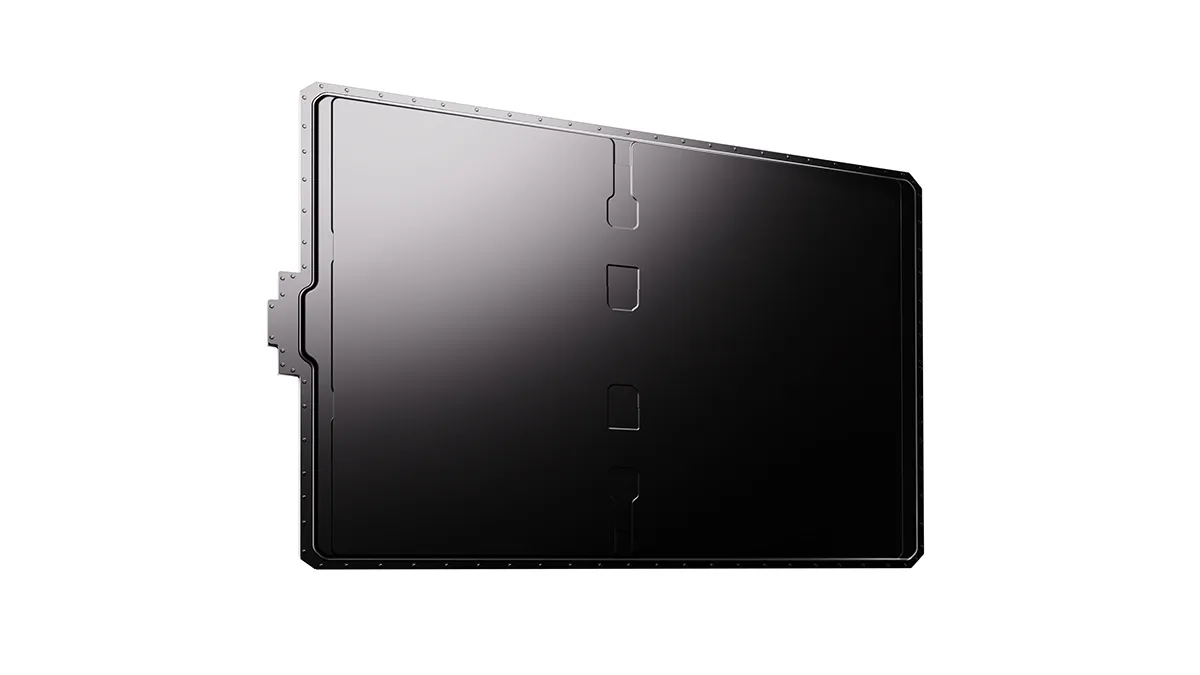
The emerging threat isn't just how far these cars can travel on a Sunday morning, but how quickly they can prep for the return journey. The Chinese market is weaponising tech like the CATL Shenxing battery, which prioritises ultra-fast charging over pure, heavy capacity. It is the automotive equivalent of a 10-minute turnaround between the 18th green and the first tee—efficiency that makes the traditional 400-mile range target look like an unnecessary burden.The emerging threat isn't just how far these cars can travel on a Sunday morning, but how quickly they can prep for the return journey. The Chinese market is weaponising tech like the CATL Shenxing battery, which prioritises ultra-fast charging over pure, heavy capacity. It is the automotive equivalent of a 10-minute turnaround between the 18th green and the first tee—efficiency that makes the traditional 400-mile range target look like an unnecessary burden.
We are witnessing a fundamental shift in paddock priorities. While the UK market for 2026 sees a proliferation of niches—from the Mini John Cooper electric to a new wave of electric pickup trucks—the elite owner cares less about the 'towing capacity' and more about the autonomous 'autonomous driving investment' spearheaded by firms like Huawei. The car is no longer just a vessel for transit; it is a mobile suite that demands zero downtime.We are witnessing a fundamental shift in paddock priorities. While the UK market for 2026 sees a proliferation of niches—from the Mini John Cooper electric to a new wave of electric pickup trucks—the elite owner cares less about the 'towing capacity' and more about the autonomous 'autonomous driving investment' spearheaded by firms like Huawei. The car is no longer just a vessel for transit; it is a mobile suite that demands zero downtime.
The rivalry between Tesla and BYD has become the defining match-play of the decade. Tesla continues to lean into its identity as a software powerhouse, but BYD’s ability to scale is moving the goalposts for what a 'premium' manufacturer looks like. As Li Auto expands its own premium footprint and GAC sets aggressive international sales targets, the German trio’s focus on incremental range gains (like that 39 km Audi tick-up) feels increasingly like playing for a draw.The rivalry between Tesla and BYD has become the defining match-play of the decade. Tesla continues to lean into its identity as a software powerhouse, but BYD’s ability to scale is moving the goalposts for what a 'premium' manufacturer looks like. As Li Auto expands its own premium footprint and GAC sets aggressive international sales targets, the German trio’s focus on incremental range gains (like that 39 km Audi tick-up) feels increasingly like playing for a draw.
For the Downforce & Divots set, the conclusion is clear: range is a vanity metric. If you are choosing your Sunday driver based on an extra 40 kilometres of battery life, you are missing the point of the new electric era. The real 'Stripe' of the season belongs to those who can charge in the time it takes to grab a post-round gin and tonic, leaving the range-obsessed to watch their dashboard percentages crawl up while the rest of the convoy is already halfway to the next apex.For the Downforce & Divots set, the conclusion is clear: range is a vanity metric. If you are choosing your Sunday driver based on an extra 40 kilometres of battery life, you are missing the point of the new electric era. The real 'Stripe' of the season belongs to those who can charge in the time it takes to grab a post-round gin and tonic, leaving the range-obsessed to watch their dashboard percentages crawl up while the rest of the convoy is already halfway to the next apex.
Gallery
"Tesla is leading in innovation and AI, but BYD is moving ahead rapidly in scale."
Why it matters
The traditional prestige of long-range motoring is being superseded by charging speed and AI software. For the luxury consumer, time spent at a charger is the new handicap that needs to be eliminated.
Sources
- 1.
- 2.The 10 Longest Range Electric Cars in the UK (2026) | loveelectricloveelectric.cars
- 3.
- 4.
Reported by the Downforce & Divots desk from the sources above.
The clubhouse.
- No replies yet. Be the first.