The Glassless Gallery: Why the McLaren Elva is the Paddock’s Ultimate Sunday Bag
Stripped of its roof and windshield, Woking’s 804-horsepower speedster is making the modern hypercar convoy feel a little too claustrophobic.
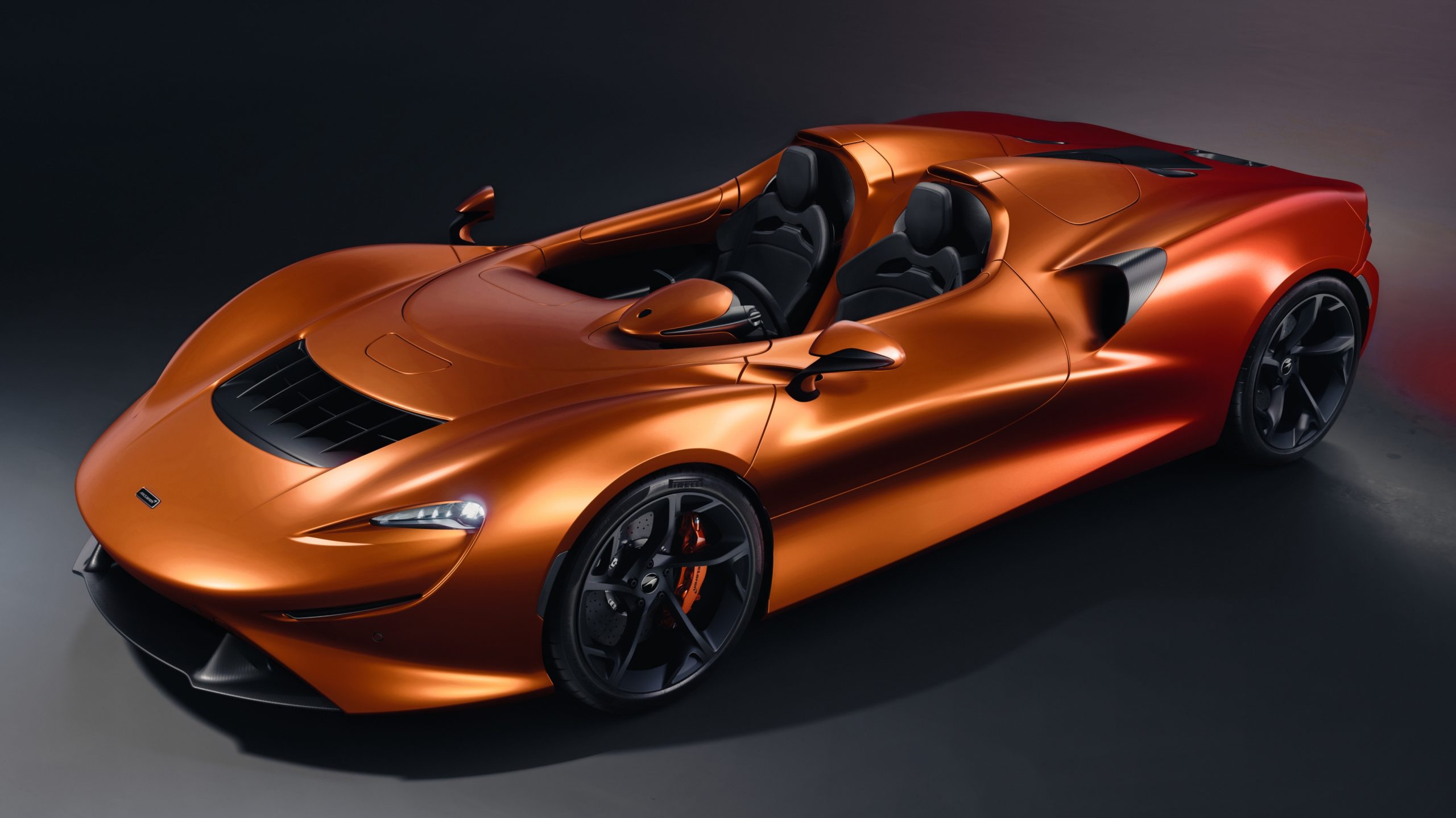
While the recurring hypercar circus at Silverstone and Goodwood continues to flaunt the 'Holy Trinity'—the LaFerrari, Porsche 918, and McLaren P1—a new breed of open-cockpit audacity is stealing the valet stand. The McLaren Elva, a car that famously eschews a roof and even a windscreen, has been spotted anchoring recent high-stakes convoys alongside Senna GTRs and the ultra-rare P1 HDK. It is the automotive equivalent of a minimalist Sunday bag: lightweight, high-performance, and intentionally lacking the 'clutter' of a traditional setup.While the recurring hypercar circus at Silverstone and Goodwood continues to flaunt the 'Holy Trinity'—the LaFerrari, Porsche 918, and McLaren P1—a new breed of open-cockpit audacity is stealing the valet stand. The McLaren Elva, a car that famously eschews a roof and even a windscreen, has been spotted anchoring recent high-stakes convoys alongside Senna GTRs and the ultra-rare P1 HDK. It is the automotive equivalent of a minimalist Sunday bag: lightweight, high-performance, and intentionally lacking the 'clutter' of a traditional setup.
The engineering philosophy here mirrors the shift we see on the championship fairways—thinning out the unnecessary to prioritize raw connection. Harnessing a 4.0-litre twin-turbo V8, the Elva pushes 804 horsepower through a carbon fibre tub that feels more like a precision-milled blade than a standard supercar. It follows the lineage established by the 720S Spider, which proved that dropping the top didn't have to mean sacrificing the structural integrity required for a 200-mph apex.The engineering philosophy here mirrors the shift we see on the championship fairways—thinning out the unnecessary to prioritize raw connection. Harnessing a 4.0-litre twin-turbo V8, the Elva pushes 804 horsepower through a carbon fibre tub that feels more like a precision-milled blade than a standard supercar. It follows the lineage established by the 720S Spider, which proved that dropping the top didn't have to mean sacrificing the structural integrity required for a 200-mph apex.
Despite the presence of heavyweight contenders like the Brabus 700 6x6 and the track-only McLaren Senna GTR in recent North-bound convoys, the Elva stands out for its sheer vulnerability. There is a certain bravado in driving a car designed without glass in a climate that rarely cooperates, much like a links specialist refusing to put on a rain jacket during a squall at Birkdale. It’s a commitment to the elements that the 'Apple crew' designs at Maranello can't quite replicate with their increasingly tech-heavy interiors.Despite the presence of heavyweight contenders like the Brabus 700 6x6 and the track-only McLaren Senna GTR in recent North-bound convoys, the Elva stands out for its sheer vulnerability. There is a certain bravado in driving a car designed without glass in a climate that rarely cooperates, much like a links specialist refusing to put on a rain jacket during a squall at Birkdale. It’s a commitment to the elements that the 'Apple crew' designs at Maranello can't quite replicate with their increasingly tech-heavy interiors.
The paddock's obsession with these glassless wonders suggests a fatigue with the insulated, high-tech cockpits of the modern EV era. In a week where the talk has been dominated by digital range metrics and silicon-valley interfaces, the Elva’s reliance on pure aerodynamics to keep the driver’s oxygen supply intact is a refreshing, if visceral, reminder of why we fall in love with machinery in the first place.The paddock's obsession with these glassless wonders suggests a fatigue with the insulated, high-tech cockpits of the modern EV era. In a week where the talk has been dominated by digital range metrics and silicon-valley interfaces, the Elva’s reliance on pure aerodynamics to keep the driver’s oxygen supply intact is a refreshing, if visceral, reminder of why we fall in love with machinery in the first place.
Gallery
"Is 710 horsepower still enough when the roof disappears? The 720S Spider rewrote what a supercar could do."
Why it matters
As supercars become increasingly digital and insulated, the rise of open-cockpit 'speedsters' in elite convoys signals a return to tactile, high-risk luxury. It represents the ultimate status symbol for the driver who values sensory feedback over climate-controlled comfort.
Sources
- 1.
- 2.Insane amount of hypercars in track - Instagraminstagram.com
- 3.
- 4.
Reported by the Downforce & Divots desk from the sources above.
The clubhouse.
- No replies yet. Be the first.