The Glass Paradox: Mazda’s CX-5 and the High-Voltage Risk
The 2026 redesign of Mazda’s franchise player trades tactile heritage for a 15.6-inch screen, asking if the brand can survive its own digital revolution.
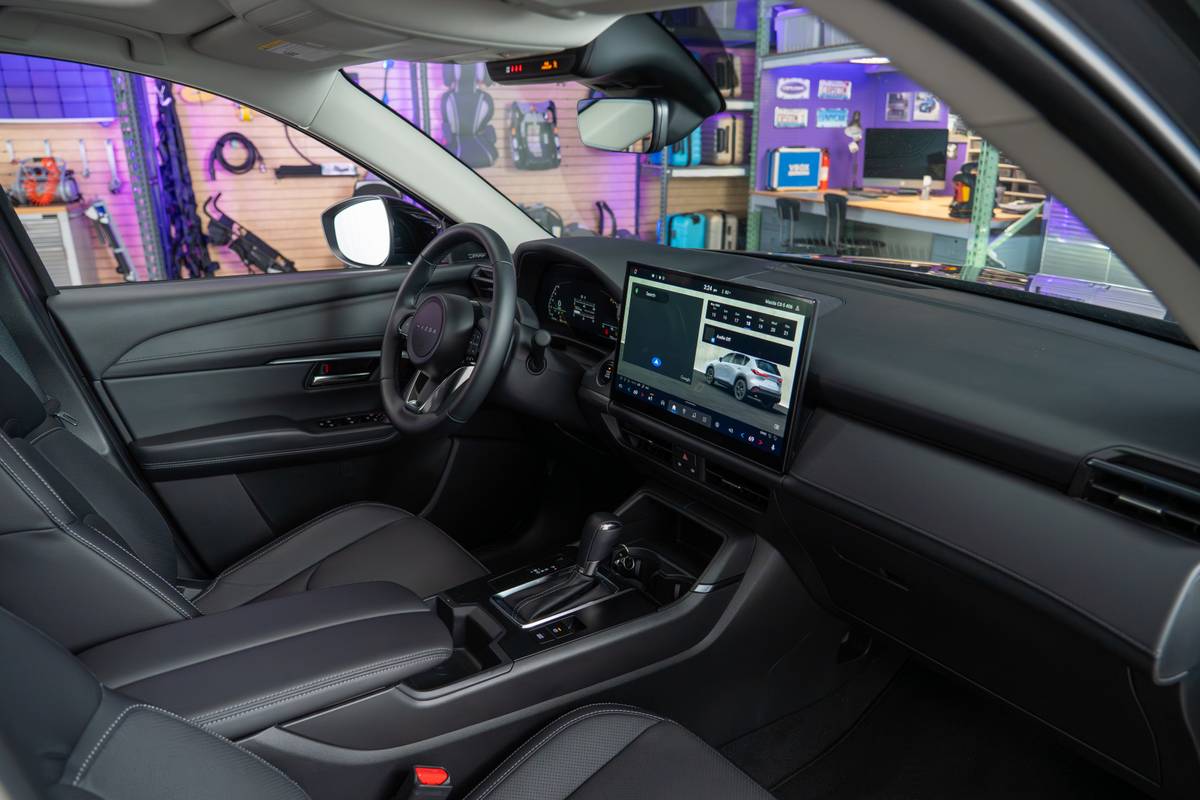
In the automotive world, Mazda has long been the purist’s palate cleanser—the brand that doggedly defended the physical volume knob and the tactile click of a well-placed button while everyone else was busy laminating their dashboards in glass. But with the arrival of the 2026 CX-5, the Hiroshima firm is finally blinking. The redesigned cockpit is dominated by a massive 15.6-inch touchscreen, a centerpiece that marks a fundamental shift in philosophy for a vehicle that has historically been defined by its "Jinba Ittai"—the sense of horse and rider as one—ergonomics.In the automotive world, Mazda has long been the purist’s palate cleanser—the brand that doggedly defended the physical volume knob and the tactile click of a well-placed button while everyone else was busy laminating their dashboards in glass. But with the arrival of the 2026 CX-5, the Hiroshima firm is finally blinking. The redesigned cockpit is dominated by a massive 15.6-inch touchscreen, a centerpiece that marks a fundamental shift in philosophy for a vehicle that has historically been defined by its "Jinba Ittai"—the sense of horse and rider as one—ergonomics.
This isn't merely a change in hardware; it's a play for survival in a market increasingly obsessed with the digital "paddock tech" found in everything from local driveways to pro-circuit garages. The redesigned exterior sharpens the SUV’s silhouette, maintaining its status as a vehicle worth waiting for, yet the interior execution suggests a brand caught in a "three steps forward, two steps back" loop. While the aesthetic remains premium, the push toward screen-heavy interfaces threatens the very simplicity that made the CX-5 Mazda’s most vital sales asset.This isn't merely a change in hardware; it's a play for survival in a market increasingly obsessed with the digital "paddock tech" found in everything from local driveways to pro-circuit garages. The redesigned exterior sharpens the SUV’s silhouette, maintaining its status as a vehicle worth waiting for, yet the interior execution suggests a brand caught in a "three steps forward, two steps back" loop. While the aesthetic remains premium, the push toward screen-heavy interfaces threatens the very simplicity that made the CX-5 Mazda’s most vital sales asset.
Driving impressions for the 2026 model remain a complicated affair. The updated chassis and refined driving experience still provide that characteristically sharp Mazda turn-in, but the distraction of the new interface is hard to ignore. Initial tests, including standard 0-60 MPH sprints, show that the mechanical soul is intact, but the user experience is now filtered through a software layer that feels like an olive branch to the tech-obsessed, potentially at the expense of the long-term enthusiast base.Driving impressions for the 2026 model remain a complicated affair. The updated chassis and refined driving experience still provide that characteristically sharp Mazda turn-in, but the distraction of the new interface is hard to ignore. Initial tests, including standard 0-60 MPH sprints, show that the mechanical soul is intact, but the user experience is now filtered through a software layer that feels like an olive branch to the tech-obsessed, potentially at the expense of the long-term enthusiast base.
As the industry pivots toward the high-voltage future of 2028 and beyond, Mazda’s gamble with the CX-5 is clear: they are betting that a premium digital experience will attract a new demographic without alienating the loyalists who bought the previous generation for its analogue charm. It is a precarious balance. In a landscape where even the most boring crossovers are being "puked out" by automakers at record speeds, Mazda’s best-seller remains a standout for its design, even if its legendary tactile connection is now a little more obscured by pixels.As the industry pivots toward the high-voltage future of 2028 and beyond, Mazda’s gamble with the CX-5 is clear: they are betting that a premium digital experience will attract a new demographic without alienating the loyalists who bought the previous generation for its analogue charm. It is a precarious balance. In a landscape where even the most boring crossovers are being "puked out" by automakers at record speeds, Mazda’s best-seller remains a standout for its design, even if its legendary tactile connection is now a little more obscured by pixels.
Gallery
"I still love my buttons. You know this. This move to a giant touchscreen wasn't something I was sold on at first."
Why it matters
The CX-5 is Mazda's most important global vehicle, and its pivot toward a screen-heavy interface signals the end of the brand's 'tactile-first' era. If this redesign fails to resonate with the purist fanbase, Mazda risks losing its unique market identity.
Sources
- 1.
- 2.Future Cars Worth Waiting For: 2026–2030 - Car and Drivercaranddriver.com
- 3.
- 4.
Reported by the Downforce & Divots desk from the sources above.
The clubhouse.
- No replies yet. Be the first.