The First-Key Equation: Deconstructing the 2026 Starter Car Hierarchy
Quartz ranks the year’s best cars for new drivers, pitting safety margins and insurance premiums against forgiving chassis dynamics.
Evaluating a first car has traditionally been an exercise in compromise, balancing shoestring running costs against the bare minimum of dynamic competence. In 2026, however, the starter car calculus has shifted entirely. As modern automotive platforms grow increasingly complex, heavier, and digitally insulated, ranking the best vehicles for novice drivers requires a forensic look at three non-negotiable pillars: crash-test safety scores, actuarial insurance friendliness, and forgiving on-road manners.Evaluating a first car has traditionally been an exercise in compromise, balancing shoestring running costs against the bare minimum of dynamic competence. In 2026, however, the starter car calculus has shifted entirely. As modern automotive platforms grow increasingly complex, heavier, and digitally insulated, ranking the best vehicles for novice drivers requires a forensic look at three non-negotiable pillars: crash-test safety scores, actuarial insurance friendliness, and forgiving on-road manners.
A comprehensive market analysis by Quartz automotive writer Cris Tolomia cuts through marketing gloss to establish an empirical hierarchy across compact sedans, small SUVs, and efficient hybrids. Rather than fixating purely on sticker price, the ranking prioritises how approachable a vehicle remains when an inexperienced driver encounters unexpected road conditions. Forgiving chassis tuning—where steering response is progressive rather than darting, and braking thresholds are linear—remains paramount in keeping novice drivers out of trouble.A comprehensive market analysis by Quartz automotive writer Cris Tolomia cuts through marketing gloss to establish an empirical hierarchy across compact sedans, small SUVs, and efficient hybrids. Rather than fixating purely on sticker price, the ranking prioritises how approachable a vehicle remains when an inexperienced driver encounters unexpected road conditions. Forgiving chassis tuning—where steering response is progressive rather than darting, and braking thresholds are linear—remains paramount in keeping novice drivers out of trouble.
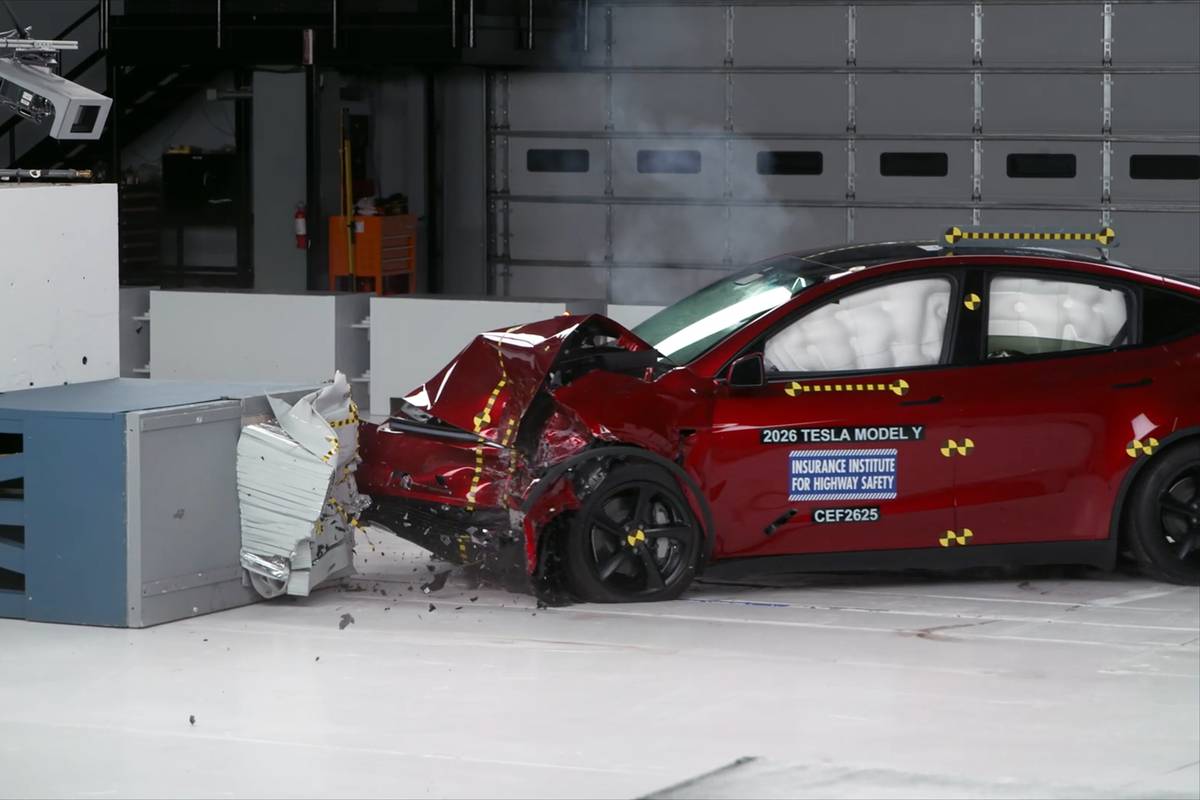
Structural integrity and active safety systems form the primary defensive line in the 2026 rankings. With contemporary crash-test standards placing rigorous demands on side-impact protection and passenger cell rigidity, compact sedans and crossover architectures must demonstrate resilient structural engineering to earn top-tier placement. For new drivers, high safety marks provide essential security against real-world errors.Structural integrity and active safety systems form the primary defensive line in the 2026 rankings. With contemporary crash-test standards placing rigorous demands on side-impact protection and passenger cell rigidity, compact sedans and crossover architectures must demonstrate resilient structural engineering to earn top-tier placement. For new drivers, high safety marks provide essential security against real-world errors.
Equally decisive in the evaluation is total ownership overhead, led by insurance underwriting brackets. Low insurance premiums reflect not only lower repair costs for modular body components and sensor arrays but also historical claim severities. Vehicles that maintain accessible repairability alongside manageable horsepower figures consistently outscore high-output alternatives that carry punitive insurance penalties.Equally decisive in the evaluation is total ownership overhead, led by insurance underwriting brackets. Low insurance premiums reflect not only lower repair costs for modular body components and sensor arrays but also historical claim severities. Vehicles that maintain accessible repairability alongside manageable horsepower figures consistently outscore high-output alternatives that carry punitive insurance penalties.
The segment breadth highlighted in the survey—ranging from conventional internal combustion compacts to small hybrid crossovers—demonstrates that new drivers no longer need to settle for spartan commuter appliances. By balancing active crash-test credentials with predictable chassis feedback and low insurance overhead, the modern entry-level vehicle offers a remarkably sophisticated entry point into driving.The segment breadth highlighted in the survey—ranging from conventional internal combustion compacts to small hybrid crossovers—demonstrates that new drivers no longer need to settle for spartan commuter appliances. By balancing active crash-test credentials with predictable chassis feedback and low insurance overhead, the modern entry-level vehicle offers a remarkably sophisticated entry point into driving.
Gallery
"The best cars for new drivers in 2026 combine crash-test safety, low insurance costs and forgiving handling, spanning compact sedans to small SUVs."
Why it matters
First-time driver criteria have evolved beyond simple purchase price to focus on comprehensive safety metrics, manageable insurance brackets, and progressive vehicle dynamics. Quartz's 2026 rankings offer a clear blueprint for navigating the increasingly tech-heavy entry-level automotive market.
Sources
- 1.
- 2.
- 3.
- 4.
Reported by the Downforce & Divots desk from the sources above.
The clubhouse.
- No replies yet. Be the first.