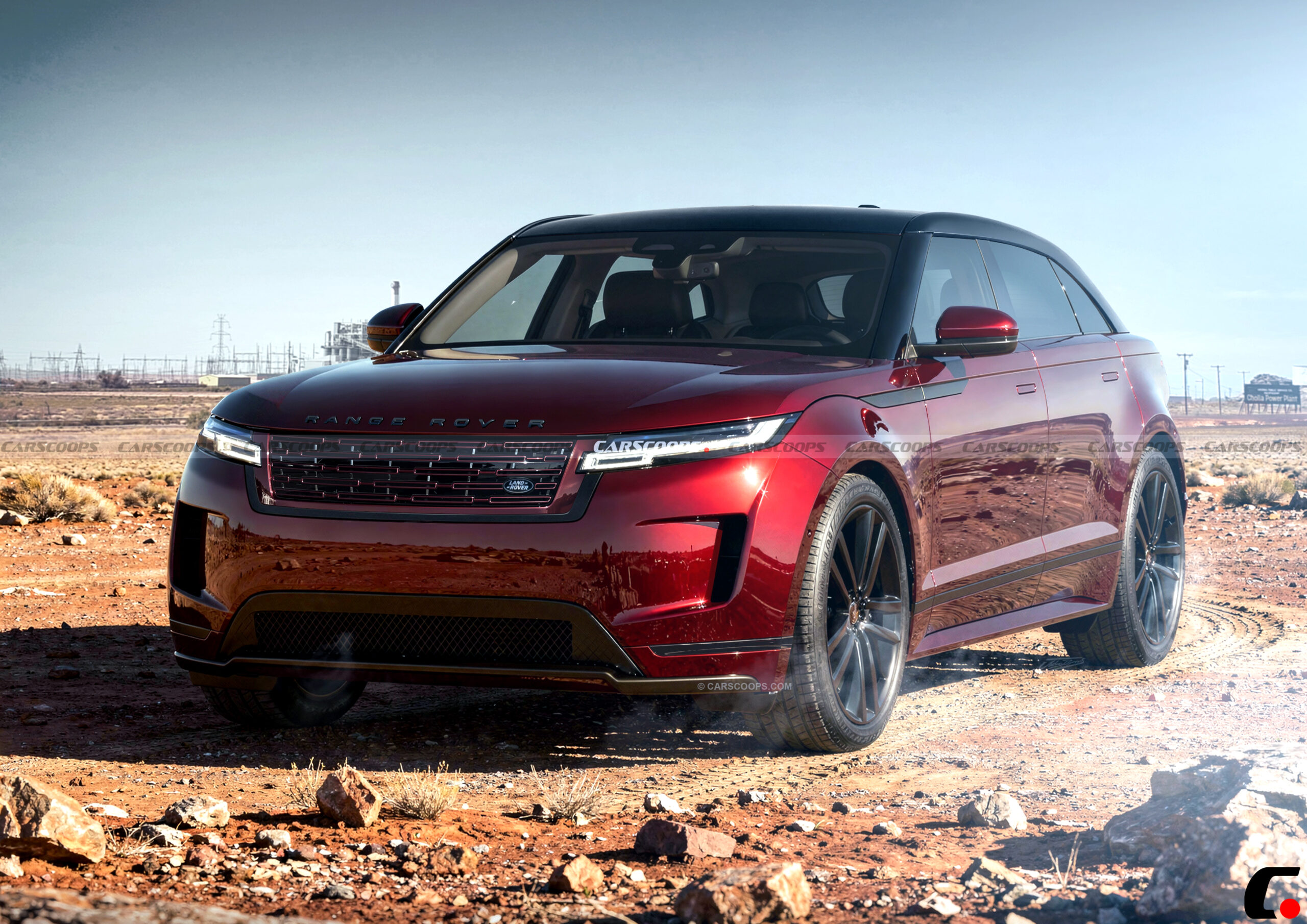
The End of the Upright: Why the 2027 Range Rover GT Is Tearing Up a 56-Year Blueprint
For over half a century, the Range Rover has been defined by its commanding, upright stance. But a new, low-slung electric 'GT' model is coming, forcing a confrontation between brand identity and the aerodynamic necessities of the EV era.
Somewhere on a private test circuit, a heavily camouflaged prototype is carving silent, unfamiliar lines. It’s long, low, and completely at odds with the mental image the badge on its grille is meant to conjure. This is no two-box monolith, no imperious SUV surveying the landscape. As reporting from Autoevolution reveals, what we're seeing is the upcoming Range Rover GT, a vehicle insiders describe as a "sedan-like crossover-y model" that is fundamentally unlike any product to wear the storied green oval in its 56-year history. This shape represents more than just a fifth model in the lineup; it’s a direct challenge to the very essence of the brand, a concession to physics that could rewrite the rulebook for what constitutes a Range Rover and, by extension, the pinnacle of luxury motoring.Somewhere on a private test circuit, a heavily camouflaged prototype is carving silent, unfamiliar lines. It’s long, low, and completely at odds with the mental image the badge on its grille is meant to conjure. This is no two-box monolith, no imperious SUV surveying the landscape. As reporting from Autoevolution reveals, what we're seeing is the upcoming Range Rover GT, a vehicle insiders describe as a "sedan-like crossover-y model" that is fundamentally unlike any product to wear the storied green oval in its 56-year history. This shape represents more than just a fifth model in the lineup; it’s a direct challenge to the very essence of the brand, a concession to physics that could rewrite the rulebook for what constitutes a Range Rover and, by extension, the pinnacle of luxury motoring.
For more than five decades, the promise of a Range Rover has been singular and unequivocal: supremacy. This was delivered not just through unparalleled all-terrain capability but through an architectural statement known internally as the 'Command Driving Position'. To sit in a Range Rover is to sit above the fray, with a panoramic view over the castellated bonnet and the lesser traffic below. It’s an ergonomic expression of status and control, an unbroken lineage from the 1970 original to the current fifth-generation flagship. This upright, imperious posture is the brand’s soul, a non-negotiable feature that has defined its silhouette and its aspirational appeal. It is the very foundation upon which the entire luxury SUV segment was built, a feeling of effortless authority that competitors have spent fortunes attempting to replicate.For more than five decades, the promise of a Range Rover has been singular and unequivocal: supremacy. This was delivered not just through unparalleled all-terrain capability but through an architectural statement known internally as the 'Command Driving Position'. To sit in a Range Rover is to sit above the fray, with a panoramic view over the castellated bonnet and the lesser traffic below. It’s an ergonomic expression of status and control, an unbroken lineage from the 1970 original to the current fifth-generation flagship. This upright, imperious posture is the brand’s soul, a non-negotiable feature that has defined its silhouette and its aspirational appeal. It is the very foundation upon which the entire luxury SUV segment was built, a feeling of effortless authority that competitors have spent fortunes attempting to replicate.
The vehicle caught in recent spy photography, which Autoevolution confirms will be the fifth model in the expanding Range Rover family, commits what looks like brand heresy. This isn't a taller, grander SUV, but something lower, sleeker, and built for an entirely different purpose. Its profile is defined by a long wheelbase, short front and rear overhangs, and a roofline that dives aggressively toward the tail—hallmarks of a classic grand tourer, not a country estate workhorse. It’s a deliberate pivot from verticality to horizontality. Slated to launch with purely electric power and, according to sources, hit the assembly line before the end of 2026, the GT signals JLR’s urgency in planting a flag in the high-performance EV space. This car isn't designed to ford a river; it's designed to devour an autobahn with silent, sustained velocity.The vehicle caught in recent spy photography, which Autoevolution confirms will be the fifth model in the expanding Range Rover family, commits what looks like brand heresy. This isn't a taller, grander SUV, but something lower, sleeker, and built for an entirely different purpose. Its profile is defined by a long wheelbase, short front and rear overhangs, and a roofline that dives aggressively toward the tail—hallmarks of a classic grand tourer, not a country estate workhorse. It’s a deliberate pivot from verticality to horizontality. Slated to launch with purely electric power and, according to sources, hit the assembly line before the end of 2026, the GT signals JLR’s urgency in planting a flag in the high-performance EV space. This car isn't designed to ford a river; it's designed to devour an autobahn with silent, sustained velocity.
Why would Land Rover risk diluting its most powerful brand asset? The answer lies in the unforgiving laws of physics that govern electric vehicles. The single biggest enemy to an EV’s range is aerodynamic drag. A tall, bluff-fronted vehicle like a traditional Range Rover punches a massive hole in the air, requiring immense energy to maintain speed. While this is manageable with the high energy density of petrol or diesel, it's a critical liability for battery-powered cars where every kilowatt-hour is precious. To achieve a competitive range figure—especially for a 'GT' model expected to cover long distances at high speed—engineers must obsess over the drag coefficient. This forces a compromise: the commanding, upright stance that is Range Rover’s signature is simply incompatible with the aerodynamic efficiency required for a world-class electric grand tourer. The GT’s low-slung shape isn't a stylistic whim; it's an engineering necessity.Why would Land Rover risk diluting its most powerful brand asset? The answer lies in the unforgiving laws of physics that govern electric vehicles. The single biggest enemy to an EV’s range is aerodynamic drag. A tall, bluff-fronted vehicle like a traditional Range Rover punches a massive hole in the air, requiring immense energy to maintain speed. While this is manageable with the high energy density of petrol or diesel, it's a critical liability for battery-powered cars where every kilowatt-hour is precious. To achieve a competitive range figure—especially for a 'GT' model expected to cover long distances at high speed—engineers must obsess over the drag coefficient. This forces a compromise: the commanding, upright stance that is Range Rover’s signature is simply incompatible with the aerodynamic efficiency required for a world-class electric grand tourer. The GT’s low-slung shape isn't a stylistic whim; it's an engineering necessity.
This new “sedan-like crossover-y” form factor places the Range Rover GT in a fascinating and ferociously competitive new segment. It's not aiming at other SUVs. Instead, its specifications suggest it will be targeting the new breed of high-performance electric genre-benders like the Porsche Taycan Cross Turismo and the Audi e-tron GT. These are cars that blend saloon-like driving dynamics with a modicum of extra practicality and a powerful design statement, appealing to a post-SUV luxury buyer. By labeling its new creation a 'GT', Land Rover is explicitly signaling its intent to compete on performance, long-distance comfort, and avant-garde style, rather than approach angles and wading depths. It’s a tacit admission that the "Range Rover" name is being leveraged not for its off-road heritage, but for its unparalleled cachet in the luxury market, applying that badge to a product tailored for a new kind of affluent client in a new electric reality.This new “sedan-like crossover-y” form factor places the Range Rover GT in a fascinating and ferociously competitive new segment. It's not aiming at other SUVs. Instead, its specifications suggest it will be targeting the new breed of high-performance electric genre-benders like the Porsche Taycan Cross Turismo and the Audi e-tron GT. These are cars that blend saloon-like driving dynamics with a modicum of extra practicality and a powerful design statement, appealing to a post-SUV luxury buyer. By labeling its new creation a 'GT', Land Rover is explicitly signaling its intent to compete on performance, long-distance comfort, and avant-garde style, rather than approach angles and wading depths. It’s a tacit admission that the "Range Rover" name is being leveraged not for its off-road heritage, but for its unparalleled cachet in the luxury market, applying that badge to a product tailored for a new kind of affluent client in a new electric reality.
Such a radical departure is made possible by JLR’s ‘House of Brands’ strategy, a corporate restructuring that reframed the company around four distinct pillars: Defender, Discovery, Jaguar, and Range Rover. This masterstroke allows the Range Rover 'brand' to act as a parent company in its own right, spawning a family of vehicles that cater to different niches without, in theory, diluting the core identity of the flagship. We've seen this playbook succeed with the style-focused Evoque, the athletically-poised Velar, and the dynamic Range Rover Sport. The GT, as the fifth and most audacious member of this family, is the ultimate extension of this strategy. It allows the main-line Range Rover to continue its reign as the archetypal luxury SUV, complete with its Command Driving Position, while the GT ventures into uncharted territory. It's a calculated risk: using the brand's immense gravity to pull a new type of product into its orbit.Such a radical departure is made possible by JLR’s ‘House of Brands’ strategy, a corporate restructuring that reframed the company around four distinct pillars: Defender, Discovery, Jaguar, and Range Rover. This masterstroke allows the Range Rover 'brand' to act as a parent company in its own right, spawning a family of vehicles that cater to different niches without, in theory, diluting the core identity of the flagship. We've seen this playbook succeed with the style-focused Evoque, the athletically-poised Velar, and the dynamic Range Rover Sport. The GT, as the fifth and most audacious member of this family, is the ultimate extension of this strategy. It allows the main-line Range Rover to continue its reign as the archetypal luxury SUV, complete with its Command Driving Position, while the GT ventures into uncharted territory. It's a calculated risk: using the brand's immense gravity to pull a new type of product into its orbit.
While the silhouette is a revolution, the execution will be an exercise in continuity. The camouflaged prototypes, though heavily disguised, suggest the GT will adhere to the 'reductive modernism' design language that Chief Creative Officer Gerry McGovern has so successfully instilled across the current lineup. Expect impossibly clean surfaces, flush glazing, and ultra-slim digital lighting that vanishes into the bodywork when not in use. The signature Range Rover floating roof and continuous waistline will have to be masterfully reinterpreted for this new, lower form. The challenge for the design team is immense: they must craft a vehicle that looks undeniably like a Range Rover when viewed in detail—in its grille texture, its interior materials, its authoritative presence—even when its overall proportions scream something else entirely. It's about translating the brand's DNA of minimalist luxury and quiet confidence from a vertical canvas to a horizontal one.While the silhouette is a revolution, the execution will be an exercise in continuity. The camouflaged prototypes, though heavily disguised, suggest the GT will adhere to the 'reductive modernism' design language that Chief Creative Officer Gerry McGovern has so successfully instilled across the current lineup. Expect impossibly clean surfaces, flush glazing, and ultra-slim digital lighting that vanishes into the bodywork when not in use. The signature Range Rover floating roof and continuous waistline will have to be masterfully reinterpreted for this new, lower form. The challenge for the design team is immense: they must craft a vehicle that looks undeniably like a Range Rover when viewed in detail—in its grille texture, its interior materials, its authoritative presence—even when its overall proportions scream something else entirely. It's about translating the brand's DNA of minimalist luxury and quiet confidence from a vertical canvas to a horizontal one.
Ultimately, the Range Rover GT represents a high-stakes bet on brand elasticity. Can the name "Range Rover" signify ultimate luxury even when detached from the iconic shape that made it famous? JLR is betting that for a certain buyer, the badge’s association with impeccable taste, peerless craftsmanship, and unassailable status is more powerful than its association with a specific driving position or off-road prowess. The success or failure of this electric grand tourer will be a bellwether not just for Land Rover, but for the entire luxury automotive industry. It will prove just how far legacy automakers can stretch their most storied nameplates to compete in an electric future that demands new shapes, new priorities, and new definitions of what a flagship can be. When the camouflage comes off, we won’t just be looking at a new car; we’ll be looking at a referendum on the future of luxury itself.Ultimately, the Range Rover GT represents a high-stakes bet on brand elasticity. Can the name "Range Rover" signify ultimate luxury even when detached from the iconic shape that made it famous? JLR is betting that for a certain buyer, the badge’s association with impeccable taste, peerless craftsmanship, and unassailable status is more powerful than its association with a specific driving position or off-road prowess. The success or failure of this electric grand tourer will be a bellwether not just for Land Rover, but for the entire luxury automotive industry. It will prove just how far legacy automakers can stretch their most storied nameplates to compete in an electric future that demands new shapes, new priorities, and new definitions of what a flagship can be. When the camouflage comes off, we won’t just be looking at a new car; we’ll be looking at a referendum on the future of luxury itself.
Gallery
"The Range Rover GT is a sedan-like crossover-y model that will hit the assembly line before the end of 2026."
Why it matters
The Range Rover GT signifies a monumental shift for one of the world's most iconic automotive brands. It tests the very definition of a 'Range Rover' by sacrificing its signature 'Command Driving Position' for aerodynamic efficiency, a necessary evil in the premium EV market. Its success or failure will be a key indicator of whether brand heritage can be successfully decoupled from form factor in the electric era.
Sources
- 1.
- 2.
- 3.New GT Is the Fifth Range Rover Model, and It's Unlike Any ...autoevolution.com
Reported by the Downforce & Divots desk from the sources above.
The clubhouse.
- No replies yet. Be the first.