The End of the 12-Month Driver: Why Golf's Biggest Brands Are Hitting the Brakes
As equipment obsolescence cannibalizes dealer margins and golfers turn to eBay and AI to build their bags, a shift to a 24-month product cycle might be the industry's saving grace.
On the retail floor, a golf club's lifecycle is starting to resemble a carton of milk. Driven by a relentless 12-month release cadence, top-tier drivers are hitting off-cycle discount racks almost as soon as the initial hype fades. The sheer volume of inventory has forced specialized operators, like Sunday Golf, to integrate SPS Decision Intelligence just to figure out how to consistently convert buying decisions into profit without slashing prices. Backed by findings from Golf Datatech's 2025 Serious Golfer Shopping report, the reality is stark: retail shelves are buckling under the weight of rapid product obsolescence, and the industry is desperately seeking a way to protect its residual values.On the retail floor, a golf club's lifecycle is starting to resemble a carton of milk. Driven by a relentless 12-month release cadence, top-tier drivers are hitting off-cycle discount racks almost as soon as the initial hype fades. The sheer volume of inventory has forced specialized operators, like Sunday Golf, to integrate SPS Decision Intelligence just to figure out how to consistently convert buying decisions into profit without slashing prices. Backed by findings from Golf Datatech's 2025 Serious Golfer Shopping report, the reality is stark: retail shelves are buckling under the weight of rapid product obsolescence, and the industry is desperately seeking a way to protect its residual values.
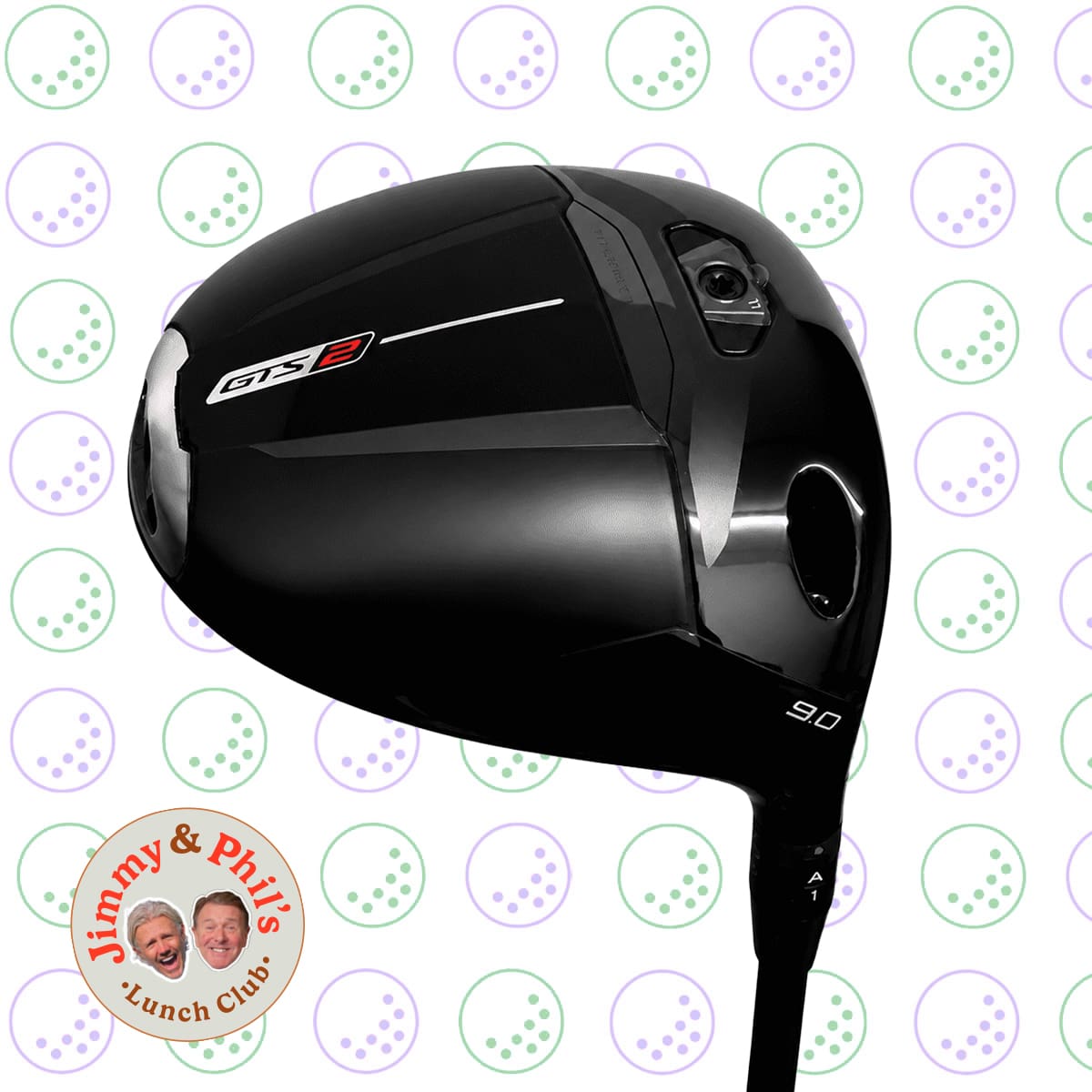
Enter the growing speculation around TaylorMade shifting to a strict two-year club release cycle. It is a fundamental philosophical pivot that asks a dangerous question: How much faster can a golf club actually get in 365 days? Consider the recent 2026 driver giveaway spotlighting the new Titleist GTS lineup. The marketing promises advanced weighting and lighter materials to deliver the fastest ball speeds in the brand's history. But engineering these micro-advancements annually is stretching R&D budgets and exhausting consumers. By abandoning the 12-month refresh, OEMs can stabilize dealer margins and let their flagship technologies breathe before the market demands a replacement.Enter the growing speculation around TaylorMade shifting to a strict two-year club release cycle. It is a fundamental philosophical pivot that asks a dangerous question: How much faster can a golf club actually get in 365 days? Consider the recent 2026 driver giveaway spotlighting the new Titleist GTS lineup. The marketing promises advanced weighting and lighter materials to deliver the fastest ball speeds in the brand's history. But engineering these micro-advancements annually is stretching R&D budgets and exhausting consumers. By abandoning the 12-month refresh, OEMs can stabilize dealer margins and let their flagship technologies breathe before the market demands a replacement.
The modern consumer is already ahead of the manufacturers, actively hacking the gear matrix to avoid the premium of the annual cycle. Look no further than PGA Tour rookie Ross Steelman, who literally built his tour-worthy bag by leveraging eBay, ChatGPT, and Google searches rather than blindly trusting the latest catalog. Even established Tour pros are ignoring the flagship hype to tinker with wildly specific, older, or alternative gear. Tony Finau recently started a trend by rolling a Caliber Golf hockey stick putter, a move quickly adopted by Ben Silverman as a nod to his Canadian roots. Elsewhere, Eugenio Chacarra embarked on a complex, highly documented journey just to find the perfect broomstick putter. Players are hunting for feel and fit, not just the newest model year.
Upstream, the manufacturing supply chain is desperate for this kind of operational sanity. Look at FST Corp, the parent company of KBS shafts. Presenting at the LD Micro 20th Annual Main Event this October, management outlined a business on the precipice of massive scale. While their first-half 2025 revenue rose 23 percent alongside a 33 percent jump in gross profit, the company is still only running at roughly 65 percent of its 1.2 million-unit monthly capacity. FST executives noted that if factory utilization can reach 80 percent, gross margins could swell to between 60 and 65 percent. A 24-month OEM release cycle provides the predictable, sustained ordering cadence required to achieve those vertically integrated cost efficiencies, replacing the boom-and-bust chaos of annual product launches.Upstream, the manufacturing supply chain is desperate for this kind of operational sanity. Look at FST Corp, the parent company of KBS shafts. Presenting at the LD Micro 20th Annual Main Event this October, management outlined a business on the precipice of massive scale. While their first-half 2025 revenue rose 23 percent alongside a 33 percent jump in gross profit, the company is still only running at roughly 65 percent of its 1.2 million-unit monthly capacity. FST executives noted that if factory utilization can reach 80 percent, gross margins could swell to between 60 and 65 percent. A 24-month OEM release cycle provides the predictable, sustained ordering cadence required to achieve those vertically integrated cost efficiencies, replacing the boom-and-bust chaos of annual product launches.
For the fitters and retail buyers, a slower release cycle fundamentally changes the sales strategy. Industry analysts recently outlined five critical lessons golf equipment brands can use to unlock retail growth, with "better product knowledge" and "fitting expertise" paramount among them. When a driver isn't instantly outdated by a newer model nine months post-purchase, fitters in the bays can actually build customer loyalty. The transaction transforms from a forced upgrade into a tailored, data-driven investment in the player's game.For the fitters and retail buyers, a slower release cycle fundamentally changes the sales strategy. Industry analysts recently outlined five critical lessons golf equipment brands can use to unlock retail growth, with "better product knowledge" and "fitting expertise" paramount among them. When a driver isn't instantly outdated by a newer model nine months post-purchase, fitters in the bays can actually build customer loyalty. The transaction transforms from a forced upgrade into a tailored, data-driven investment in the player's game.
Zoom out from the tee box, and this stabilization aligns perfectly with broader macroeconomic trends hovering over the sports business. At the 25th Annual M&A and Economic Forum co-hosted by KPMG and the University of Chicago Booth School of Business this October, leaders like Goldman Sachs' Dusty Philip detailed the global M&A outlook, while The Palmer Group's Shelly Palmer unpacked practical AI applications. Golf's major OEMs operate in this exact financial ecosystem. To attract private equity and command high valuations, equipment brands need the stable, predictable cash flow that a two-year product cycle guarantees, rather than the volatile, discount-heavy cycles of the past decade.Zoom out from the tee box, and this stabilization aligns perfectly with broader macroeconomic trends hovering over the sports business. At the 25th Annual M&A and Economic Forum co-hosted by KPMG and the University of Chicago Booth School of Business this October, leaders like Goldman Sachs' Dusty Philip detailed the global M&A outlook, while The Palmer Group's Shelly Palmer unpacked practical AI applications. Golf's major OEMs operate in this exact financial ecosystem. To attract private equity and command high valuations, equipment brands need the stable, predictable cash flow that a two-year product cycle guarantees, rather than the volatile, discount-heavy cycles of the past decade.
If the flagship driver cycle stretches to 24 months, the oxygen in the room redistributes to niche, alternative, and direct-to-consumer clubs. We are already seeing this sub-market thrive. Golf influencers are currently driving viral traffic with glowing reviews of the new PixG 0317 iron, praising its surprisingly fast and powerful performance. Simultaneously, the Vice Golf VGP putter is drawing tens of thousands of views, proving that affordable firsts from alternative brands hold serious weight. The GolfWRX community even went so far as to dedicate a specific Members Choice award to the "Best mini driver of 2026," highlighting a growing obsession with specialized secondary clubs that get lost during traditional driver launch weeks.If the flagship driver cycle stretches to 24 months, the oxygen in the room redistributes to niche, alternative, and direct-to-consumer clubs. We are already seeing this sub-market thrive. Golf influencers are currently driving viral traffic with glowing reviews of the new PixG 0317 iron, praising its surprisingly fast and powerful performance. Simultaneously, the Vice Golf VGP putter is drawing tens of thousands of views, proving that affordable firsts from alternative brands hold serious weight. The GolfWRX community even went so far as to dedicate a specific Members Choice award to the "Best mini driver of 2026," highlighting a growing obsession with specialized secondary clubs that get lost during traditional driver launch weeks.
Ultimately, the proof of peak technological saturation is written on the weekend leaderboards. Whether it is Austin Smotherman grinding out a 16-under par at the Butterfield Bermuda Championship, or Yuri Yoshida dominating the BMW Ladies Championship at 17-under, the current generation of equipment is undeniably fast enough. A two-year release cadence doesn’t mean the end of innovation; it simply means treating a premium golf club like a long-term asset rather than fast fashion. For the consumer staring down a retail shelf, and the fitters trying to protect their margins, a little breathing room is exactly what the game needs.Ultimately, the proof of peak technological saturation is written on the weekend leaderboards. Whether it is Austin Smotherman grinding out a 16-under par at the Butterfield Bermuda Championship, or Yuri Yoshida dominating the BMW Ladies Championship at 17-under, the current generation of equipment is undeniably fast enough. A two-year release cadence doesn’t mean the end of innovation; it simply means treating a premium golf club like a long-term asset rather than fast fashion. For the consumer staring down a retail shelf, and the fitters trying to protect their margins, a little breathing room is exactly what the game needs.
Gallery
"Gross margins could rise to 60 to 65 percent if factory utilization reaches about 80 percent—a scale only achievable when the frantic annual re-tooling slows down."
Why it matters
A transition to a two-year product cycle fundamentally alters the golf retail economy. It protects residual values for consumers, stabilizes gross margins for manufacturers, and shifts the industry focus from pure volume to premium custom fitting.
Sources
- 1.
- 2.
- 3.
- 4.
- 5.Ford Dealership in Hutto, TX - Covert Ford Hutto Blogcovertfordhutto.com
- 6.
- 7.
- 8.
- 9.
- 10.
Reported by the Downforce & Divots desk from the sources above.
The clubhouse.
- No replies yet. Be the first.