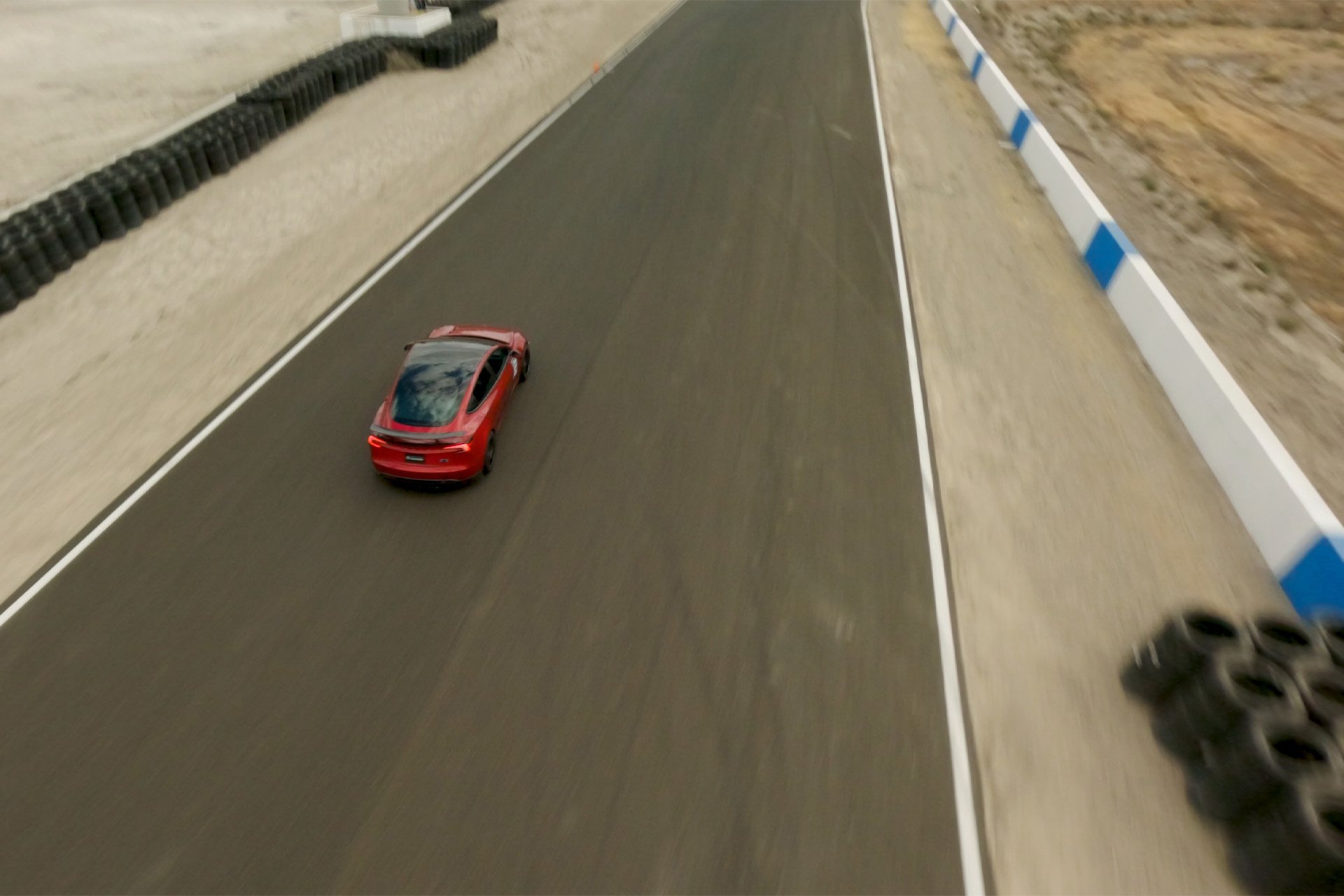
The Cohesion Calculus: Putting the 2026 Tesla Model 3 Performance Through the Numbers
Extensive track testing reveals that Tesla’s updated super-sedan prioritises chassis maturity and poise over sheer numerical shock value.
Straight-line speed in the electric era has suffered from terminal inflation. When entry-level crossovers can dispatch four-second sprints without breaking a sweat, raw acceleration numbers no longer suffice as a definitive measure of driver engagement. The true test of modern performance hardware lies in dynamic cohesion: how steering feel, braking modulation, and chassis control survive the violent transition from straightaways into high-load apexes.Straight-line speed in the electric era has suffered from terminal inflation. When entry-level crossovers can dispatch four-second sprints without breaking a sweat, raw acceleration numbers no longer suffice as a definitive measure of driver engagement. The true test of modern performance hardware lies in dynamic cohesion: how steering feel, braking modulation, and chassis control survive the violent transition from straightaways into high-load apexes.
That nuanced battleground forms the crux of MotorTrend’s exhaustive instrumented evaluation of the 2026 Tesla Model 3 Performance. Rather than relying on a singular headline run, testing protocol saw the team cycle through three distinct production cars across two separate tire compounds. The objective was straightforward: establish verified figures for acceleration, braking, and lateral grip, while bench-testing the updated platform against its predecessor on a dedicated handling course.That nuanced battleground forms the crux of MotorTrend’s exhaustive instrumented evaluation of the 2026 Tesla Model 3 Performance. Rather than relying on a singular headline run, testing protocol saw the team cycle through three distinct production cars across two separate tire compounds. The objective was straightforward: establish verified figures for acceleration, braking, and lateral grip, while bench-testing the updated platform against its predecessor on a dedicated handling course.
The data yielded an intriguing paradox. While not every instrumented figure landed precisely where armchair spec-sheet prognosticators anticipated, the car’s actual behavior under duress revealed a stark generational leap. Where the prior-generation Model 3 Performance occasionally felt disjointed—a sledgehammer powertrain grafted onto an overworked, brittle suspension setup—the 2026 iteration demonstrates a far tighter integration of chassis damping, body control, and electronic torque vectoring.The data yielded an intriguing paradox. While not every instrumented figure landed precisely where armchair spec-sheet prognosticators anticipated, the car’s actual behavior under duress revealed a stark generational leap. Where the prior-generation Model 3 Performance occasionally felt disjointed—a sledgehammer powertrain grafted onto an overworked, brittle suspension setup—the 2026 iteration demonstrates a far tighter integration of chassis damping, body control, and electronic torque vectoring.
On the handling course, that calibration translates into a vehicle that feels fundamentally better-developed and more organic to hustle. The relentless quest for pure stopwatch dominance has given way to an authentic sense of flow, proving that usable grip, consistent braking stamina, and responsive turn-in deliver far more driver satisfaction than shaving a marginal hundredth of a second on an isolated launch strip.On the handling course, that calibration translates into a vehicle that feels fundamentally better-developed and more organic to hustle. The relentless quest for pure stopwatch dominance has given way to an authentic sense of flow, proving that usable grip, consistent braking stamina, and responsive turn-in deliver far more driver satisfaction than shaving a marginal hundredth of a second on an isolated launch strip.
As an exposition of modern American velocity, the 2026 Model 3 Performance shifts the narrative away from one-dimensional drag-strip parlour tricks. By focusing on how three cars behaved under varied rubber and sustained cornering forces, the testing affirms that Tesla’s pocket rocket has matured into a genuine driver-focused sports saloon.As an exposition of modern American velocity, the 2026 Model 3 Performance shifts the narrative away from one-dimensional drag-strip parlour tricks. By focusing on how three cars behaved under varied rubber and sustained cornering forces, the testing affirms that Tesla’s pocket rocket has matured into a genuine driver-focused sports saloon.
Gallery
"Not all the numbers came in where we expected, but the whole car feels more cohesive and better-developed than ever."
Why it matters
The 2026 Tesla Model 3 Performance demonstrates a pivotal shift from raw straight-line acceleration metrics toward chassis cohesion and track handling. Rigorous multi-car instrumented testing confirms that refinement and balance are becoming the new benchmarks for accessible electric performance.
Sources
- 1.
- 2.
- 3.
- 4.
Reported by the Downforce & Divots desk from the sources above.
The clubhouse.
- No replies yet. Be the first.