More Than a Comeback: Can the 2026 Mitsubishi Pajero Revive the GDI Soul That Made It a Legend?
As Mitsubishi teases a September 2026 reveal for its iconic 4x4, the focus is on its off-road prowess. But the real story is whether it will honor the advanced Gasoline Direct Injection technology that defined its golden era, or become another casualty of platform sharing.
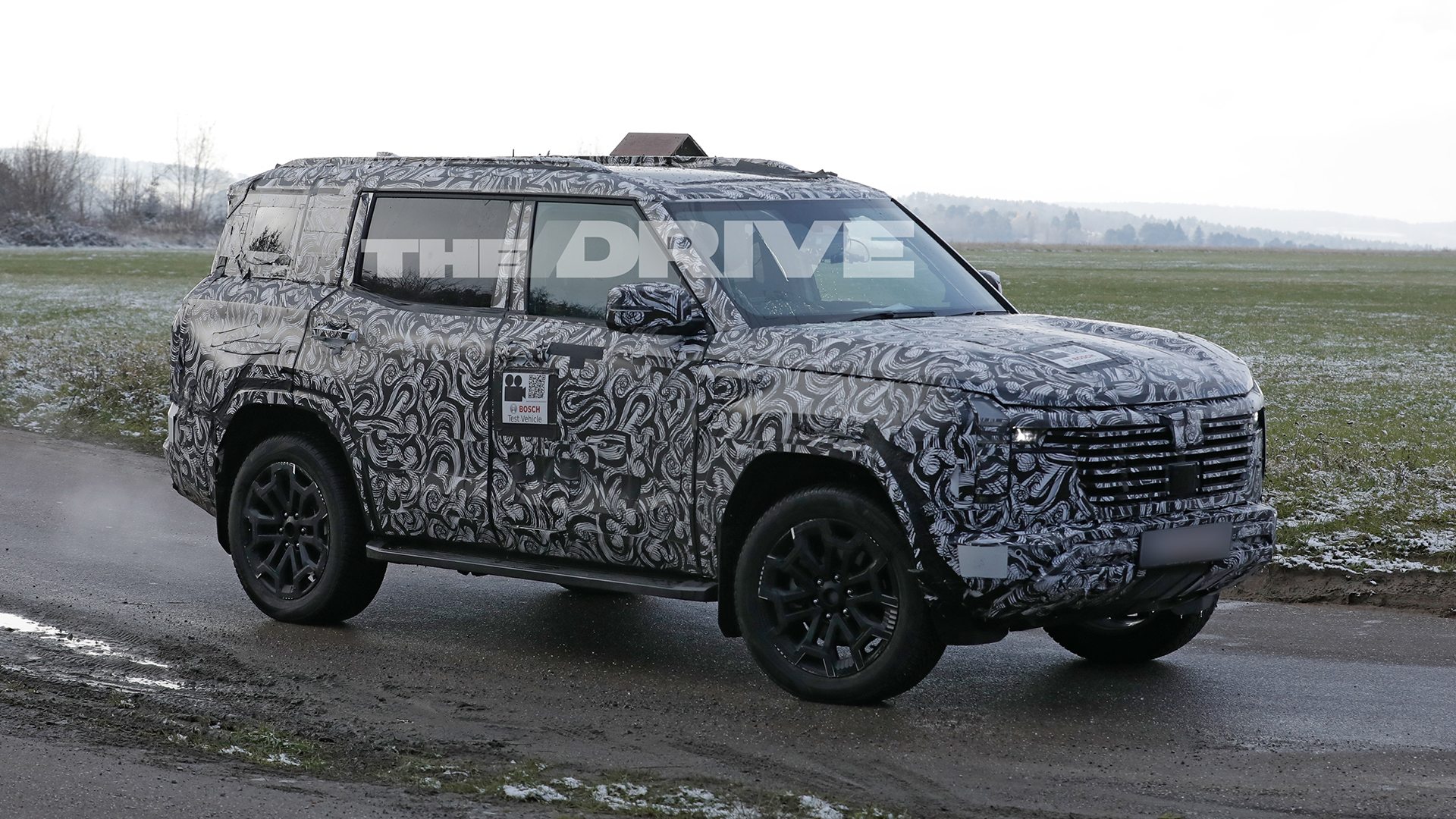
The grainy spy shots and cryptic social media posts are doing their job. A palpable buzz surrounds Mitsubishi’s confirmation of an ‘off-road comeback,’ with a full reveal of what is expected to be a revived Pajero slated for early September 2026. As one outlet noted, the brand is clearly “gearing up” for a return to its rugged roots after discontinuing the legendary nameplate. The immediate conversation gravitates toward locking differentials, suspension travel, and whether it can challenge the new guard of dedicated off-roaders. But to focus solely on the chassis is to miss the point of the Pajero’s singular identity. The real question, the one that will determine if this is a genuine revival or mere necromancy, lies under the hood. Will Mitsubishi dare to resurrect the spirit of the ambitious, high-compression Gasoline Direct Injection (GDI) technology that once made the Pajero a technological pioneer and a Dakar Rally champion?The grainy spy shots and cryptic social media posts are doing their job. A palpable buzz surrounds Mitsubishi’s confirmation of an ‘off-road comeback,’ with a full reveal of what is expected to be a revived Pajero slated for early September 2026. As one outlet noted, the brand is clearly “gearing up” for a return to its rugged roots after discontinuing the legendary nameplate. The immediate conversation gravitates toward locking differentials, suspension travel, and whether it can challenge the new guard of dedicated off-roaders. But to focus solely on the chassis is to miss the point of the Pajero’s singular identity. The real question, the one that will determine if this is a genuine revival or mere necromancy, lies under the hood. Will Mitsubishi dare to resurrect the spirit of the ambitious, high-compression Gasoline Direct Injection (GDI) technology that once made the Pajero a technological pioneer and a Dakar Rally champion?
Before it was a ubiquitous acronym on the trunk lids of a thousand different crossovers, GDI was Mitsubishi’s calling card—a bold engineering statement in an era of conservative engine design. The brand’s own historical retrospectives confirm that post-1997, select Pajero models began featuring the then-revolutionary GDI direct injection, pairing it with the famously capable Super Select 4WD system. This wasn't a minor tweak. As technical documents for related engines like the 4G93 GDI detail, this system fundamentally changed the combustion process by injecting fuel directly into the chamber, a far more complex operation requiring high-pressure fuel pumps, intricate sensor arrays, and sophisticated engine control units. While many of these initial GDI engines, like the 1.8-liter SOHC 4G93, found homes in more pedestrian applications such as the Mitsubishi Lancer and Colt, its deployment in the flagship Pajero gave the burly 4x4 a sophisticated heart, one that promised a fusion of power and efficiency that few rivals could match.Before it was a ubiquitous acronym on the trunk lids of a thousand different crossovers, GDI was Mitsubishi’s calling card—a bold engineering statement in an era of conservative engine design. The brand’s own historical retrospectives confirm that post-1997, select Pajero models began featuring the then-revolutionary GDI direct injection, pairing it with the famously capable Super Select 4WD system. This wasn't a minor tweak. As technical documents for related engines like the 4G93 GDI detail, this system fundamentally changed the combustion process by injecting fuel directly into the chamber, a far more complex operation requiring high-pressure fuel pumps, intricate sensor arrays, and sophisticated engine control units. While many of these initial GDI engines, like the 1.8-liter SOHC 4G93, found homes in more pedestrian applications such as the Mitsubishi Lancer and Colt, its deployment in the flagship Pajero gave the burly 4x4 a sophisticated heart, one that promised a fusion of power and efficiency that few rivals could match.
This technological edge was not just for show; it was forged in the crucible of motorsport. The fourth-generation model, launched in 2006, is widely regarded by the company itself as the “pinnacle of the model's evolution,” representing the culmination of decades of development. This evolution was inextricably linked to its utter dominance of the Paris-Dakar Rally, the most punishing endurance race on the planet. The principles of GDI—optimizing every drop of fuel for maximum power and range—were mission-critical in the vast, unforgiving deserts of Africa and South America. This is the heritage the 2026 model must answer to. The name ‘Pajero’ doesn’t just evoke images of climbing suburban curbs; it carries the weight of rally-bred engineering and a reputation for uncompromised toughness. The decision to axe the nameplate felt, for many, like an admission that this era of ambitious, in-house innovation was over. A simple comeback isn't enough; it needs to be a comeback with conviction.This technological edge was not just for show; it was forged in the crucible of motorsport. The fourth-generation model, launched in 2006, is widely regarded by the company itself as the “pinnacle of the model's evolution,” representing the culmination of decades of development. This evolution was inextricably linked to its utter dominance of the Paris-Dakar Rally, the most punishing endurance race on the planet. The principles of GDI—optimizing every drop of fuel for maximum power and range—were mission-critical in the vast, unforgiving deserts of Africa and South America. This is the heritage the 2026 model must answer to. The name ‘Pajero’ doesn’t just evoke images of climbing suburban curbs; it carries the weight of rally-bred engineering and a reputation for uncompromised toughness. The decision to axe the nameplate felt, for many, like an admission that this era of ambitious, in-house innovation was over. A simple comeback isn't enough; it needs to be a comeback with conviction.
The wilderness the new Pajero will re-enter is far more crowded and complex than the one its predecessor left. The modern SUV market has fractured. As industry observers at *SlashGear* have noted, design sensibilities are being pulled in two distinct directions: a significant portion of the market continues to “gravitate toward the same old shape” with a sleeker, “more sporty look,” while a powerful counter-current has fueled a renaissance for “Bigger and Blockier SUVs,” particularly traditional body-on-frame vehicles. This isn’t just an aesthetic battle; it’s a functional one. The new Pajero will face off against a formidable roster of competitors, from established nameplates to specialized trims like Chevrolet’s Colorado ZR2 and Silverado Trail Boss, which are explicitly “tailored for off-road enthusiasts” with specialized hardware like enhanced suspensions. To make an impact, the Pajero cannot simply be a generic, rugged-looking crossover; it must possess demonstrable, category-defining capability to justify its legendary name.The wilderness the new Pajero will re-enter is far more crowded and complex than the one its predecessor left. The modern SUV market has fractured. As industry observers at *SlashGear* have noted, design sensibilities are being pulled in two distinct directions: a significant portion of the market continues to “gravitate toward the same old shape” with a sleeker, “more sporty look,” while a powerful counter-current has fueled a renaissance for “Bigger and Blockier SUVs,” particularly traditional body-on-frame vehicles. This isn’t just an aesthetic battle; it’s a functional one. The new Pajero will face off against a formidable roster of competitors, from established nameplates to specialized trims like Chevrolet’s Colorado ZR2 and Silverado Trail Boss, which are explicitly “tailored for off-road enthusiasts” with specialized hardware like enhanced suspensions. To make an impact, the Pajero cannot simply be a generic, rugged-looking crossover; it must possess demonstrable, category-defining capability to justify its legendary name.
The most pragmatic, and perhaps most perilous, path forward for Mitsubishi lies within its entanglements in the Renault-Nissan-Mitsubishi alliance. The financial logic is undeniable, and the strategy is already in play. A recent confirmation of Mitsubishi’s U.S. expansion plans highlighted that the well-received new Outlander is a direct “product of the Renault-Nissan-Mitsubishi alliance,” sharing its core platform with the Nissan Rogue. This approach has proven effective at producing competent, contemporary vehicles, even allowing for advanced powertrains like the plug-in hybrid version of the Outlander. For the upcoming Pajero, this could mean borrowing the robust architecture of a global platform like the Nissan Patrol. On paper, it’s a win-win: Mitsubishi gets a proven, tough-as-nails foundation, saving billions in development costs, while the alliance achieves greater economies of scale. But this efficiency comes at a steep, intangible price: identity.The most pragmatic, and perhaps most perilous, path forward for Mitsubishi lies within its entanglements in the Renault-Nissan-Mitsubishi alliance. The financial logic is undeniable, and the strategy is already in play. A recent confirmation of Mitsubishi’s U.S. expansion plans highlighted that the well-received new Outlander is a direct “product of the Renault-Nissan-Mitsubishi alliance,” sharing its core platform with the Nissan Rogue. This approach has proven effective at producing competent, contemporary vehicles, even allowing for advanced powertrains like the plug-in hybrid version of the Outlander. For the upcoming Pajero, this could mean borrowing the robust architecture of a global platform like the Nissan Patrol. On paper, it’s a win-win: Mitsubishi gets a proven, tough-as-nails foundation, saving billions in development costs, while the alliance achieves greater economies of scale. But this efficiency comes at a steep, intangible price: identity.
This alliance, however, is not the unshakeable monolith it might appear. Recent reports, such as one from *CarsGuide*, have cast a critical eye on the partnership, suggesting that from a product perspective, it “hasn't delivered” on its full potential in the past decade, raising long-term questions about its cohesion. Building a flagship model like the Pajero on a shared platform, especially under these circumstances, is a high-stakes gamble. The risk is creating a vehicle that feels more like a compliance exercise than a passion project—a Nissan in a Mitsubishi costume. This dilution of brand identity is particularly dangerous in today’s hyper-saturated market. While a powerhouse like Range Rover is busy expanding its stable to five distinct models to capture ever-finer slices of the premium SUV pie, a generic, badge-engineered Pajero could be perceived as an afterthought, failing to inspire the very loyalists it needs to win back and getting lost in a sea of me-too competitors.This alliance, however, is not the unshakeable monolith it might appear. Recent reports, such as one from *CarsGuide*, have cast a critical eye on the partnership, suggesting that from a product perspective, it “hasn't delivered” on its full potential in the past decade, raising long-term questions about its cohesion. Building a flagship model like the Pajero on a shared platform, especially under these circumstances, is a high-stakes gamble. The risk is creating a vehicle that feels more like a compliance exercise than a passion project—a Nissan in a Mitsubishi costume. This dilution of brand identity is particularly dangerous in today’s hyper-saturated market. While a powerhouse like Range Rover is busy expanding its stable to five distinct models to capture ever-finer slices of the premium SUV pie, a generic, badge-engineered Pajero could be perceived as an afterthought, failing to inspire the very loyalists it needs to win back and getting lost in a sea of me-too competitors.
So what, then, will truly power the 2026 Pajero? A literal return to the high-strung, naturally-aspirated GDI engines of the late 1990s is a romantic but unrealistic notion in the face of modern emissions regulations. But the *ethos* of that technology—the relentless pursuit of efficiency through advanced engineering—is more relevant than ever. Mitsubishi has a clear path to honor this legacy. The company has already invested heavily in plug-in hybrid technology, as evidenced by the latest Outlander PHEV. Could we see a ‘Super Select PHEV’ system that marries electric motors to a downsized, highly-advanced internal combustion engine, creating a modern interpretation of the GDI’s blend of power and economy? Or will they aim higher? The entire industry is rapidly shifting towards dedicated electric platforms, with competitors like Alfa Romeo preparing to launch a 1000-horsepower Giulia EV on the advanced STLA Large architecture, complete with 800-volt, ultra-rapid charging capabilities. A fully electric Pajero might be a step too far for 2026, but a muscular, sophisticated hybrid could be the perfect bridge—a powertrain that respects the past while embracing the inevitable future.So what, then, will truly power the 2026 Pajero? A literal return to the high-strung, naturally-aspirated GDI engines of the late 1990s is a romantic but unrealistic notion in the face of modern emissions regulations. But the *ethos* of that technology—the relentless pursuit of efficiency through advanced engineering—is more relevant than ever. Mitsubishi has a clear path to honor this legacy. The company has already invested heavily in plug-in hybrid technology, as evidenced by the latest Outlander PHEV. Could we see a ‘Super Select PHEV’ system that marries electric motors to a downsized, highly-advanced internal combustion engine, creating a modern interpretation of the GDI’s blend of power and economy? Or will they aim higher? The entire industry is rapidly shifting towards dedicated electric platforms, with competitors like Alfa Romeo preparing to launch a 1000-horsepower Giulia EV on the advanced STLA Large architecture, complete with 800-volt, ultra-rapid charging capabilities. A fully electric Pajero might be a step too far for 2026, but a muscular, sophisticated hybrid could be the perfect bridge—a powertrain that respects the past while embracing the inevitable future.
When the covers come off next week, the world will see the culmination of Mitsubishi’s efforts. The “tough new 4WD” promised in early reports will finally have a form, a price, and a spec sheet. We will learn whether it’s a body-on-frame purist or a unibody pragmatist. But the ultimate success of the Pajero revival will be measured in something less tangible. It will be measured by whether the engineers were given the freedom to build a true Mitsubishi, or simply a product to fill a gap in the lineup. The Pajero name is still caked in the dust of the Dakar, and it echoes with the sophisticated whine of a first-generation GDI engine. For this comeback to matter, the new machine must be more than just capable. It must be authentic. It must have a soul. Anything less will render this revival dead on arrival.When the covers come off next week, the world will see the culmination of Mitsubishi’s efforts. The “tough new 4WD” promised in early reports will finally have a form, a price, and a spec sheet. We will learn whether it’s a body-on-frame purist or a unibody pragmatist. But the ultimate success of the Pajero revival will be measured in something less tangible. It will be measured by whether the engineers were given the freedom to build a true Mitsubishi, or simply a product to fill a gap in the lineup. The Pajero name is still caked in the dust of the Dakar, and it echoes with the sophisticated whine of a first-generation GDI engine. For this comeback to matter, the new machine must be more than just capable. It must be authentic. It must have a soul. Anything less will render this revival dead on arrival.
Gallery
"Post-1997, some engines featured GDI direct injection."
Why it matters
The Pajero's revival is a critical test for Mitsubishi. It must prove it can build a vehicle that honors its unique engineering heritage while navigating the economic realities of the Renault-Nissan-Mitsubishi alliance and competing in a crowded, modern SUV market.
Sources
- 1.Future EVs: Every Electric Vehicle Coming Sooncaranddriver.com
- 2.
- 3.
- 4.Mitsubishi Motors - Facebookfacebook.com
- 5.[PDF] 4g93 Gdi Engine Wiring Diagramssanandres.uep.edu.py
- 6.
- 7.
- 8.
- 9.
Reported by the Downforce & Divots desk from the sources above.
The clubhouse.
- No replies yet. Be the first.