Hyper-Apex: Why McLaren is Shaking the Holy Trinity
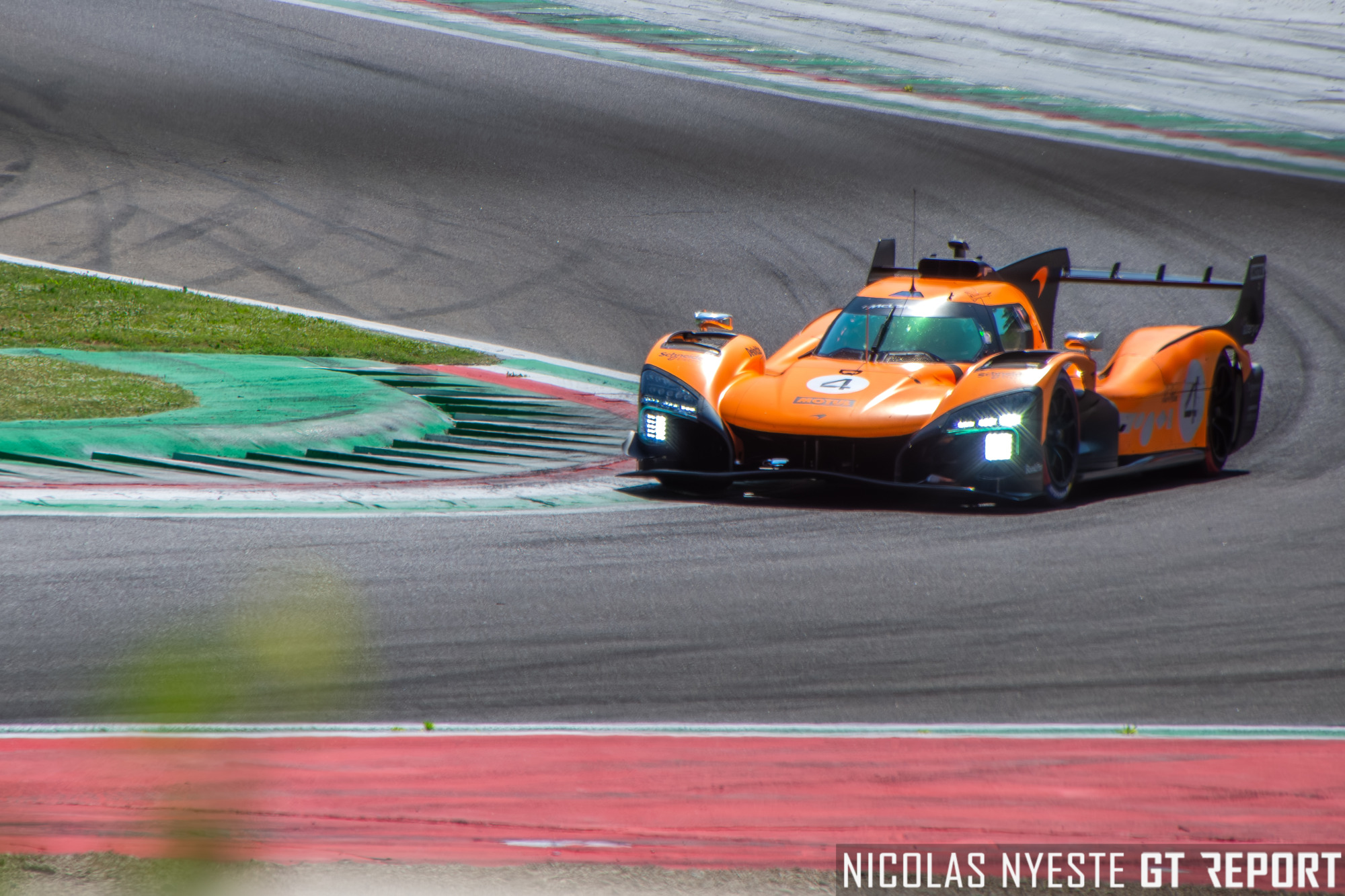
As the MCL-HY begins its Imola reconnaissance for a 2027 WEC assault, Woking is busy redefining what it means to be a top-tier contender.
There is a certain hierarchy in the paddock that feels as permanent as the R&A’s rulebook. Since the early 2010s, the established ‘Holy Trinity’—the McLaren P1, Ferrari LaFerrari, and Porsche 918 Spyder—has defined the hypercar category. These machines didn't just represent high-end transport; they were the 60-degree wedges of the automotive world: precision instruments designed for a specific, elite purpose. But as we look toward the 2027 World Endurance Championship, the boundaries between the elite and the merely ‘super’ are becoming as blurred as a Sunday leaderboard.There is a certain hierarchy in the paddock that feels as permanent as the R&A’s rulebook. Since the early 2010s, the established ‘Holy Trinity’—the McLaren P1, Ferrari LaFerrari, and Porsche 918 Spyder—has defined the hypercar category. These machines didn't just represent high-end transport; they were the 60-degree wedges of the automotive world: precision instruments designed for a specific, elite purpose. But as we look toward the 2027 World Endurance Championship, the boundaries between the elite and the merely ‘super’ are becoming as blurred as a Sunday leaderboard.
The recent sighting of the McLaren MCL-HY hypercar testing at Imola marks a significant shift for a brand that arguably pioneered the hybrid hypercar era with the P1. While some critics argue over 'definitional drift'—questioning whether a 1,258-HP W1 or a Corvette ZR1 truly deserves the hypercar moniker—McLaren is refocusing its energy on the track. This isn't just a marketing exercise; it is McLaren’s most significant race car unveiling in decades, aimed at reclaiming a legacy that bridges the gap between the circuit and the showroom.The recent sighting of the McLaren MCL-HY hypercar testing at Imola marks a significant shift for a brand that arguably pioneered the hybrid hypercar era with the P1. While some critics argue over 'definitional drift'—questioning whether a 1,258-HP W1 or a Corvette ZR1 truly deserves the hypercar moniker—McLaren is refocusing its energy on the track. This isn't just a marketing exercise; it is McLaren’s most significant race car unveiling in decades, aimed at reclaiming a legacy that bridges the gap between the circuit and the showroom.
In the same way a scratch golfer moves from a custom set of blades to a carbon-faced driver, the MCL-HY represents a hardware evolution. The industry is currently locked in a debate about what these terms even mean anymore, with experts noting that while a Porsche 911 is a supercar and a Bugatti Chiron is a hypercar, the middle ground is increasingly crowded. For McLaren, the answer lies in the raw intensity of hybrid endurance technology, ensuring their badge remains at the top of a $100 million lineup that includes legends like the Pagani Huayra and Bugatti Veyron Super Sport.In the same way a scratch golfer moves from a custom set of blades to a carbon-faced driver, the MCL-HY represents a hardware evolution. The industry is currently locked in a debate about what these terms even mean anymore, with experts noting that while a Porsche 911 is a supercar and a Bugatti Chiron is a hypercar, the middle ground is increasingly crowded. For McLaren, the answer lies in the raw intensity of hybrid endurance technology, ensuring their badge remains at the top of a $100 million lineup that includes legends like the Pagani Huayra and Bugatti Veyron Super Sport.
As Woking prepares for its 2027 WEC entry, the message to the clubhouse is clear: the trinity isn't dead, it’s just evolving. Whether on the tarmac of Imola or the manicured greens of a post-F1 migration, the pursuit of the 'hyper-apex' remains the ultimate flex. McLaren isn't just participating in the conversation; they are rewriting the telemetry for the next decade of performance.
"The P1 is one of the 'Holy Trinity' hypercars... It proved the hybrid hypercar era was here to stay."
McLaren's return to top-tier endurance racing with the MCL-HY signals a strategic pivot back to pure performance heritage. For the lifestyle enthusiast, it reinforces the brand's 'Holy Trinity' status at a time when 'hypercar' branding is being diluted by high-spec supercars.
- 1.
- 2.
- 3.
- 4.
Reported by the Downforce & Divots desk from the sources above.
The clubhouse.
- No replies yet. Be the first.