From Big Grille to Barely There: The Aerodynamic Truth Behind the Next BMW M3
After the polarizing G80-era 'big grille,' renderings of the 2027 electric M3 reveal a dramatic pivot to minimalism. The shift isn't just about taste—it's a calculated move driven by the unforgiving physics of EV performance.
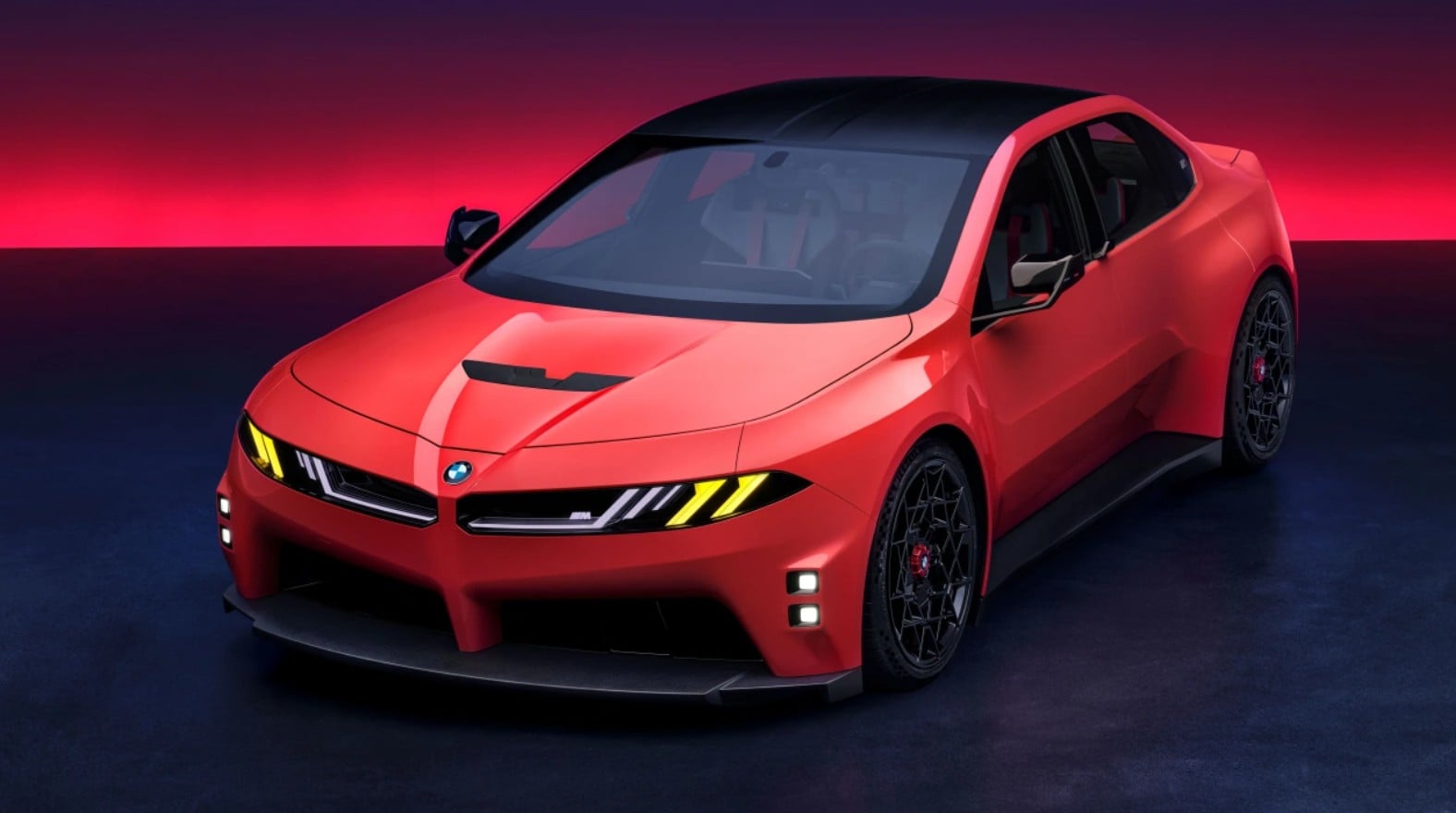
It starts, as it so often does now, with a leak that isn’t. Virtual artists like kelsonik have taken spy shots of the next-generation BMW M3 and spun up renderings of the 2027 electric saloon, which is set to follow the Neue Klasse 3 Series debut in 2026. What’s immediately clear, and already splitting opinions according to social media chatter, is the radical retreat from the aggressive, big-grilled G80 styling toward what sources describe as a “tamer aesthetic.” Unveiled in the high-stakes context of the 24 Hours of Le Mans, the official M Concept Neue Klasse confirms this new direction, previewing the very design language set to shape the future of M cars. The question is, why abandon a viral, if divisive, signature at the precise moment of its most critical powertrain transition?
The answer lies less in the design studio and more in the wind tunnel. The shift to a minimalist, almost uninterrupted surface on the M Concept Neue Klasse is a direct response to the brutal efficiency demands of electric performance. While fast EVs are nothing new, optimizing range and dynamics at the limit is a game of marginal gains, and aerodynamics are paramount. Consider that rival Lucid boasts a drag coefficient of just 0.21 for its Air sedan—among the lowest for any production vehicle—a figure achieved through obsessive surface smoothing. Even Porsche’s internal EV training for its new Cayenne emphasizes aerodynamics as a core engineering pillar. The M3 has long been a “performance-car benchmark,” and as it transitions to electric power, its sculpted, low-drag form isn't a stylistic whim but a functional necessity to maintain that title.
This pivot also reflects a keen strategic read of a changing market, not unlike a new golf outfitter looking to “find a gap in the market” among ascendant Millennial and Gen Z players. With brands like Hyundai now building credible, fun-focused enthusiast EVs like the Ioniq 5 N, outright aggression is no longer a unique selling proposition. Instead, BMW appears to be carving a new niche, evolving once again from its roots as a maker of small economy cars into a purveyor of technologically mature, high-performance luxury. The Neue Klasse M3’s design is a calculated bet that the future M-car owner values refined efficiency and quiet confidence over the visual shout of its petrol-powered predecessors.This pivot also reflects a keen strategic read of a changing market, not unlike a new golf outfitter looking to “find a gap in the market” among ascendant Millennial and Gen Z players. With brands like Hyundai now building credible, fun-focused enthusiast EVs like the Ioniq 5 N, outright aggression is no longer a unique selling proposition. Instead, BMW appears to be carving a new niche, evolving once again from its roots as a maker of small economy cars into a purveyor of technologically mature, high-performance luxury. The Neue Klasse M3’s design is a calculated bet that the future M-car owner values refined efficiency and quiet confidence over the visual shout of its petrol-powered predecessors.
Gallery
"Renderings of the 2027 BMW M3, drawn from actual spy photos, have split opinions."
Why it matters
BMW's design pivot for its flagship M3 isn't just a change in style; it's a public signal of a massive industry shift. It demonstrates that the future of performance isn't just about power, but about extreme aerodynamic efficiency. By abandoning a hugely recognizable (and controversial) design feature, BMW is betting that the mature, tech-forward aesthetic is the new benchmark for the electric era.
Sources
- 1.
- 2.
- 3.
- 4.
- 5.
- 6.
- 7.
- 8.
- 9.
- 10.Want to launch a golf brand? - Instagraminstagram.com
Reported by the Downforce & Divots desk from the sources above.
The clubhouse.
- No replies yet. Be the first.